
Adebimpe Ibukun
What is polycystic ovary syndrome?
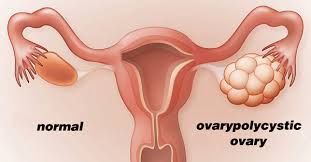
It is an hormornal disorder causing enlarged ovaries with small cysts on the outer edges.
Who does PCOS affects?
PCOS affects about 27% of women in their reproductive years(15-44),
There are more than 100 thousand cases of PCOS per year in Nigeria.
What are the signs and symptoms of PCOS?
Women with PCOS may have infrequent, irregular and prolonged menstrual period, these are the most common sign of PCOS, excess male hormone(androgen) levels is also a sign of PCOS and may result in physical signs, such as excess facial and body hair(hirtusim), and occasionally severe acne and male pattern baldness, they may also experience weight gain, darkening of skin, headaches.
The signs and symptoms of PCOS may develop around the time of the first menstrual period during puberty or later probably in response to substantial weight gain.
What are the causes of PCOS?
The exact cause of PCOS is not known, the factors that might play a role include:
Excess insulin, low-grade inflammation, heredity(it runs in families) and excess androgen
What are the complications of PCOS?
Complications of PCOS can include infertility, gestational diabetes or pregnancy-induced high blood pressure, miscarriage or premature labour, metabolic syndrome(high blood sugar, high blood pressure, high cholesterol level) these may increase the risk for heart disease, diabetes and stroke, other complications include sleep apnea, depression, anxiety, eating disorders, cancer of the uterine lining
How is PCOS treated?
Unfortunately, this disease is one that can only be treated/managed but cannot be cured.
Birth control pills and diabetes drugs can help fix the hormone imbalance and improve symptoms
How is PCOS diagnosed?
Many women have PCOS but do not know it, in one study, it was discovered that 70% of women with PCOS had not been diagnosed.
Symptomatically: Doctors typically diagnose PCOS in women who have at least two of these three symptoms: high androgen levels, irregular menstrual cycles, cysts in the ovaries
Pelvic examination: insertion of gloved fingers into the vagina to check for any growth in the ovaries and uterus
Blood tests: to check higher than normal levels of male hormorne, cholesterol level, insulin level
Ultrasound: use of sound waves to look for abnormal follicles and other problems in the ovaries and uterus
When should I see a doctor?
Missed period without being pregnant
Hair growth on the face and body
Unsuccessful attempts to get pregnant
Other symptoms like excess thirst or hunger, blurred vision, or unexplained weight loss
 nspo's